Beauty routines have changed a lot in recent years. Alongside skincare and makeup, more people are now looking at long-term solutions for thin brows, receding edges and thinning hair. Surgical hair restoration, once seen as something only older men considered, is now part of many women’s beauty conversations. This guide looks at three topics that come up again and again: eyebrows, female hair loss and textured hair.
Eyebrows: From Microblading to RestorationWhy brows thin
Brows can become sparse through years of over-plucking, ageing, scarring or certain medical conditions. Makeup and microblading can create the look of fuller brows, but they need regular touch-ups and do not grow real hair.
How eyebrow transplants work
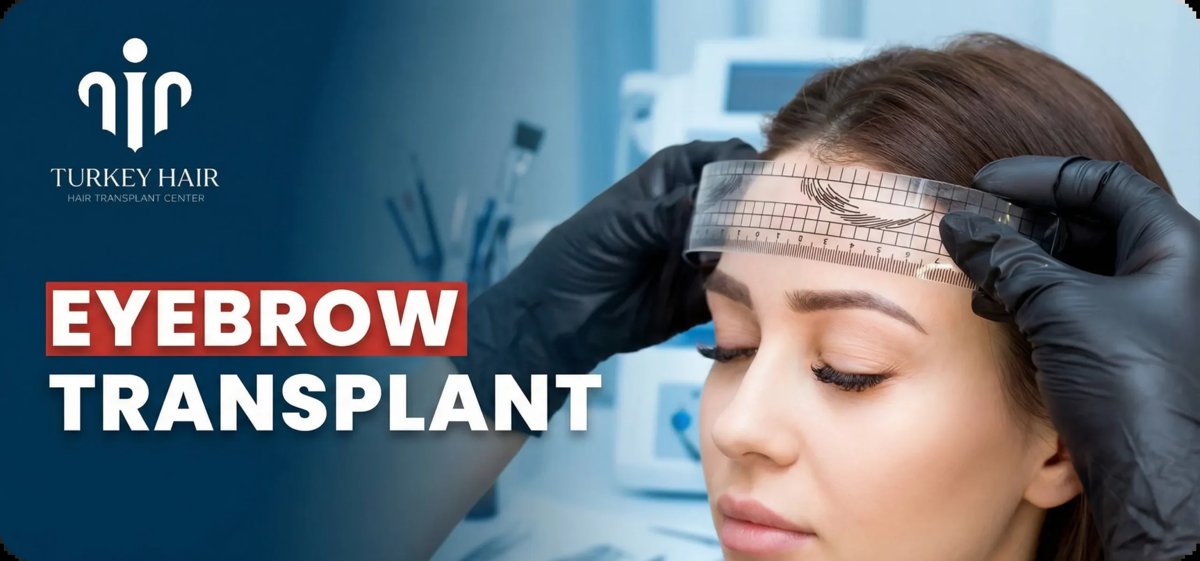
In an eyebrow restoration procedure, fine single-hair grafts are usually taken from the back of the scalp and placed one by one in the brow area. The angle is critical: brow hairs grow almost flat against the skin and change direction from the inner to the outer brow. A good result depends on careful design before any graft is placed.
- the shape is drawn and agreed with the patient first
- single-hair grafts are chosen for a soft, natural look
- transplanted brow hair grows like scalp hair, so it needs regular trimming
- growth develops gradually over several months
Thinning Hair in Women
Women most often notice a widening part or less volume on top rather than a receding hairline. Hormones, genetics, stress and tight hairstyles can all play a role. For some women, medical treatment is enough. For others, especially those with localised thinning and a strong donor area, a hair transplant for women can restore density where it matters most.
Women who may benefit from surgery
- women with a naturally high forehead
- those with thinning edges from years of tight styles
- women with scars around the hairline
- those with stable, localised thinning and a healthy donor area
Many women prefer methods that do not require shaving the whole head, so the existing long hair hides the treated area during healing.
Textured Hair and Hair Restoration
Curly and coily hair has its own beauty, and it needs its own approach. Understanding 4A, 4B and 4C hair helps explain why. In type 4 hair, the curl continues beneath the skin, so follicles are curved. This makes extraction more delicate, but the tight coil also gives more coverage per graft once the hair grows.

Protecting your edges
Whether or not you are considering surgery, a few habits help protect textured hair:
- alternate tight protective styles with looser ones
- avoid heavy extensions pulling on the same area for months
- be gentle with heat and chemical relaxers
- keep the scalp clean and moisturised
Recovery and Beauty Routines
After any hair or brow transplant, makeup, brow products and hair dye are usually avoided on the treated area for a few weeks. Transplanted hairs often shed at first, and new growth appears after a few months. Patience during this phase is part of the process.
Conclusion
Hair restoration has become a natural part of modern beauty care. Eyebrow transplants, female hair restoration and specialised techniques for textured hair all aim for the same thing: results that look like your own hair, because they are. A detailed consultation and realistic expectations are the best first step.