If you’ve spent any time on wellness TikTok or Pinterest recently, you’ve probably encountered claims about a “pink salt weight loss recipe” — usually some combination of pink Himalayan salt, lemon, water, and other ingredients presented as a metabolism booster or weight loss drink. The videos are compelling, but how much of it is actually true?
Let’s break this down honestly — covering what Himalayan pink salt actually is, what the evidence says about these recipes, and how to incorporate healthy hydration habits that genuinely support your goals.
What Is Pink Himalayan Salt?
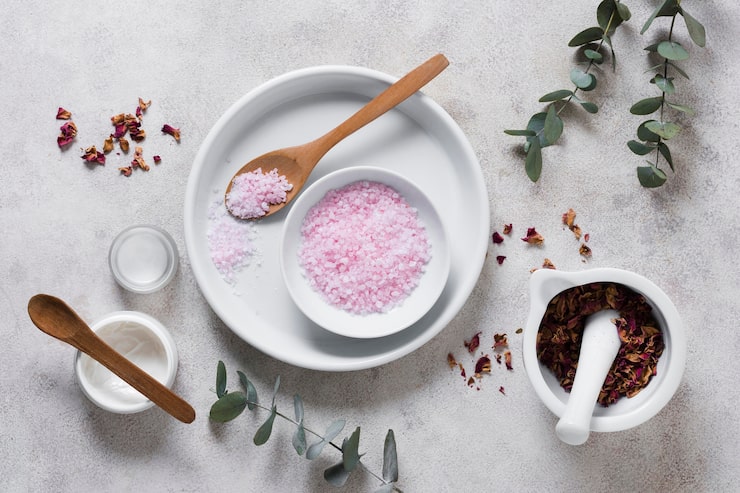
Pink Himalayan salt is a rock salt mined primarily from the Khewra Salt Mine in Pakistan, which is near the Himalayan foothills. It gets its distinctive pink-to-rose color from trace minerals — including iron, potassium, magnesium, calcium, and others — that regular table salt doesn’t contain in the same amounts.
These trace minerals are real. However, they’re present in very small quantities — far too small to deliver meaningful nutritional benefit from typical culinary use. The nutritional difference between pink Himalayan salt and regular sea salt or iodized table salt in your daily diet is negligible for most people. It is worth noting that pink salt typically lacks iodine, which is added to regular table salt to prevent iodine deficiency.
The Pink Salt Weight Loss Recipe: What’s Actually in It?
Viral pink salt weight loss recipes vary, but a common version involves:
A glass of warm water, a pinch of pink Himalayan salt, juice of half a lemon (sometimes), and occasionally a small amount of apple cider vinegar or honey.
This is consumed typically in the morning before eating anything else.
Let’s look at each component honestly. Warm water on an empty stomach can help with hydration and may mildly stimulate digestion — this is real and not specific to salt. Lemon juice provides a small amount of vitamin C, may mildly stimulate digestive enzymes, and makes the drink more palatable. The pink salt itself in a pinch adds electrolytes, but nothing beyond what you’d get from a balanced diet.
Does the Pink Salt Recipe Cause Weight Loss?
Directly? No, there is no credible scientific evidence that a pink salt water drink causes fat loss. Himalayan salt has no clinically demonstrated thermogenic (metabolism-boosting) or fat-burning properties.
Indirectly? The ritual might support habits that do matter for weight management. Starting the day with a glass of water improves hydration, which is associated with slightly increased satiety and metabolic function. If the drink replaces a calorie-heavy morning beverage (like a sugary coffee drink), that creates a real caloric reduction. If the ritual becomes part of a morning routine that includes other healthy habits, it can create momentum.
So the drink isn’t magic — but as a morning hydration ritual, it’s harmless and potentially a positive anchor for a healthy routine.
Pink Salt Hydration Recipes That Actually Support Wellness Goals
If you like the concept of a morning ritual and you want to make the most of it, here are variations that have reasonable wellness rationale.
Basic Morning Hydration: 400ml warm water, a pinch of pink salt (electrolytes after overnight fasting), juice of half a lemon (vitamin C, palatability). Drink before coffee or breakfast to rehydrate after sleep.
Electrolyte Balance Drink: 500ml water (at room temperature), a pinch of pink salt, a small squeeze of lemon, and optionally a small drizzle of raw honey if needed for taste. This is a genuinely solid non-commercial electrolyte drink that’s useful after exercise or on hot days.
What none of these drinks do is replace the fundamentals of weight management: a sustainable caloric deficit, consistent movement, quality sleep, and reduced ultra-processed food intake.
A Note on Sodium
If you have hypertension, kidney disease, or are on a sodium-restricted diet, be mindful that additional salt — even in small amounts — should be discussed with your healthcare provider before adding it to your daily routine.
Pink salt weight loss recipes are a classic wellness trend: a grain of truth (hydration matters, morning routines matter) wrapped in exaggerated claims. Enjoy the ritual if it works for you. Just don’t expect the salt to do the heavy lifting.
Disclaimer: This article is for informational and educational purposes only. It does not constitute nutritional or medical advice. Weight management is a complex, individual process. Please consult a registered dietitian or healthcare provider for personalized guidance, especially if you have existing health conditions.