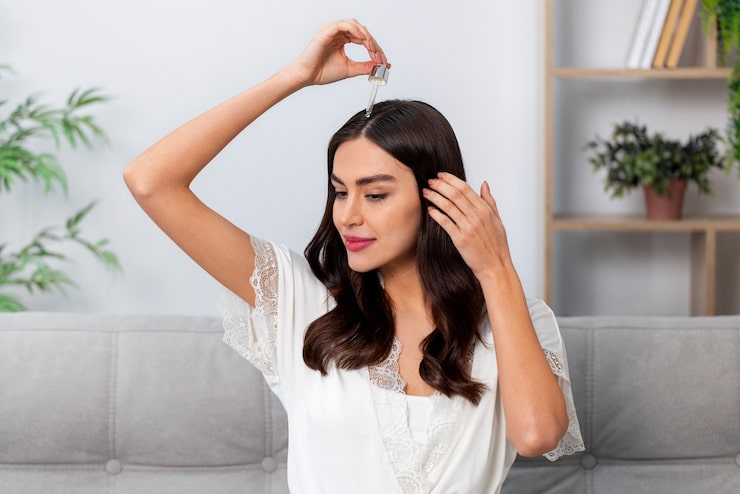
Hair loss is one of those concerns that touches people deeply — it’s personal, visible, and often tied to identity and confidence. Walk down any pharmacy or beauty aisle and you’ll see shelves full of products claiming to combat thinning and promote growth. But how much of it is real, and how do you choose the right shampoo for hair loss?
The honest answer is that shampoo alone won’t reverse significant hair loss — but the right shampoo can create a healthier scalp environment, reduce breakage, and potentially support whatever other treatments you’re using. Here’s what you need to know.
Understanding Why Hair Loss Happens
Hair loss has many potential causes, and knowing the cause matters enormously for treatment. The most common type is androgenetic alopecia (male or female pattern baldness), which is driven by genetics and hormones, particularly DHT (dihydrotestosterone). Other causes include stress (telogen effluvium), nutritional deficiencies, thyroid disorders, scalp conditions like dandruff or seborrheic dermatitis, and damage from chemical treatments or heat styling.
A shampoo designed for hair loss is most helpful when your hair loss is related to scalp health, inflammation, or product buildup. If your hair loss is primarily hormonal or genetic, shampoo is a supportive tool — not a solution on its own.
Key Ingredients to Look for in a Hair Loss Shampoo
Ketoconazole is probably the most well-researched ingredient in hair loss shampoos. It’s an antifungal agent that also has anti-androgenic properties, meaning it may help reduce the effects of DHT at the scalp level. A 2% ketoconazole shampoo (like Nizoral) has shown in some studies to have a comparable effect to minoxidil in terms of hair density and diameter improvement.
Biotin, or vitamin B7, supports keratin production. While topical biotin in shampoo may have limited absorption compared to oral supplementation, shampoos containing it are unlikely to cause harm and may support hair strength.
Saw palmetto is a plant extract that functions as a natural DHT blocker. Some hair loss shampoos include it as an active ingredient, and preliminary research suggests it may help slow androgenetic hair loss.
Caffeine has gained attention in hair care research for its potential to counteract the suppressive effects of DHT on hair follicles and extend the active growth phase of hair. Several clinical shampoos now include caffeine as a key ingredient.
Zinc pyrithione helps control dandruff and seborrheic dermatitis — scalp conditions that, when left untreated, can contribute to hair shedding. A healthy scalp is a necessary foundation for healthy hair.
Niacinamide (vitamin B3) supports scalp circulation and can help strengthen the hair shaft and improve the overall condition of the scalp barrier.
What to Avoid in Hair Shampoos
If hair health and scalp sensitivity are concerns, look at your shampoo label for potential irritants. Sulfates (like sodium lauryl sulfate) are strong detergents that can strip the scalp of its natural oils and contribute to dryness and irritation. Parabens and silicones can cause buildup that clogs follicles over time. Fragrances and dyes are common allergens that may irritate a sensitive scalp.
How to Use Hair Loss Shampoo Effectively
For best results, let the shampoo sit on the scalp for at least two to five minutes before rinsing — this gives active ingredients more contact time. Massage the scalp gently with your fingertips (not nails) to stimulate blood flow. Use the shampoo consistently; these products need time to show results, typically at least three to six months.
When to See a Doctor
If you’re noticing significant shedding, patches of hair loss, or sudden changes in hair thickness, please consult a dermatologist or trichologist. They can identify the underlying cause and recommend evidence-based treatments such as minoxidil, prescription medications, PRP therapy, or other interventions. Shampoo is a complement to treatment, not a replacement for it.
Disclaimer: This blog is for informational purposes only and is not a substitute for professional medical or dermatological advice. Hair loss can be caused by many underlying conditions that require proper diagnosis and treatment. Consult a qualified healthcare provider for personalized guidance.